
What It Really Means to Develop Leaders You Can Trust
There’s a version of trust in business that’s really just tolerance. The leader delegates because they have to, watches closely because they’re nervous, and takes things back the moment something goes sideways. The team learns not to take real ownership because they know the CEO will step in. Nothing actually changes except the org chart.
Real trust is different. It’s built deliberately, over time, through a combination of clear expectations, honest feedback, and the willingness to let people lead — including through the mistakes that come with it.
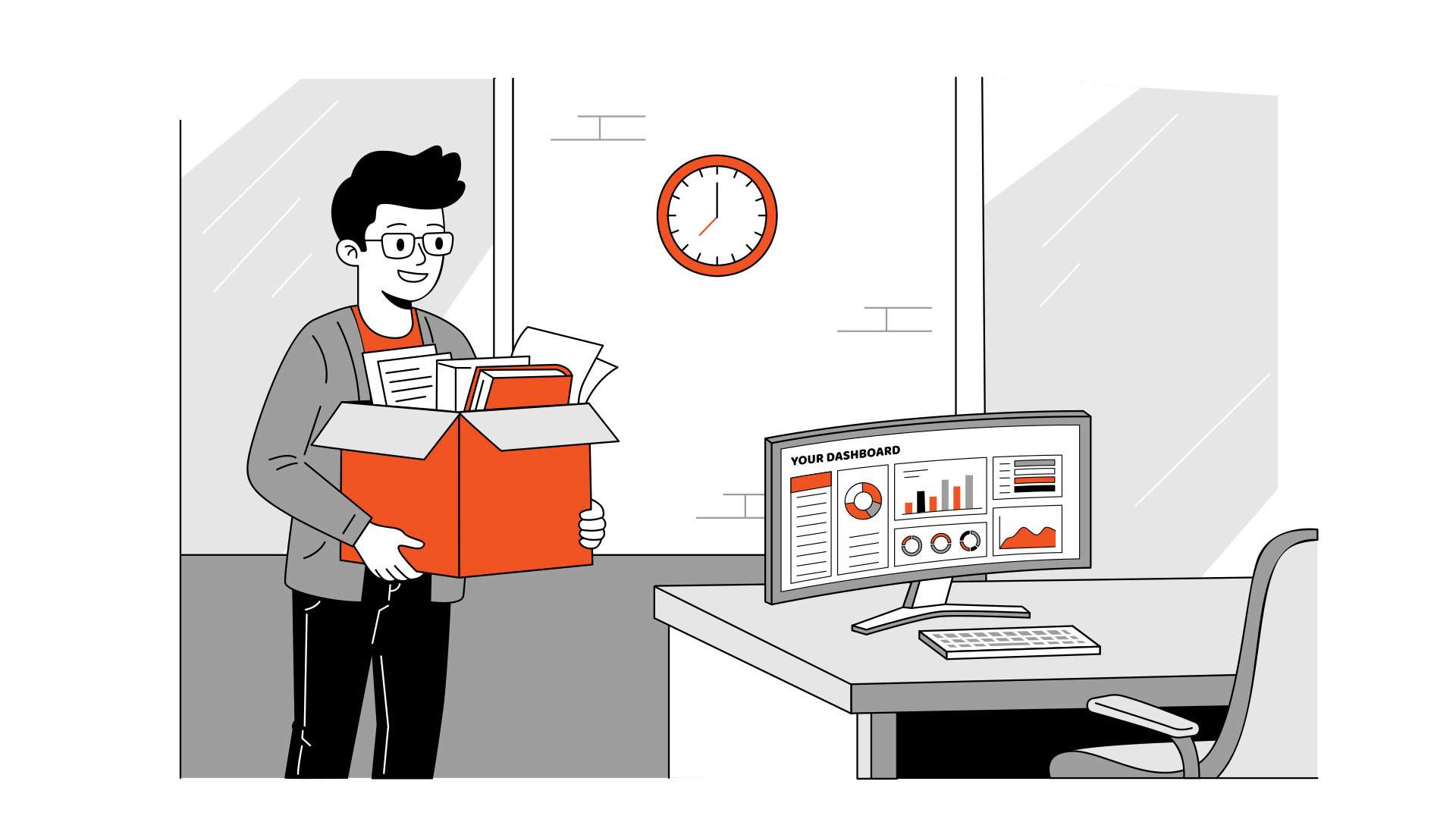
Slade McLendon has been working on this at Sunbelt Fire for years. In a recent episode of The Fast Slow Motion Podcast: How a Third-Generation Family Business Built Something Worth Passing Down, he described what it looks like when it’s working: a two-hour shareholder meeting where he spoke for maybe ten minutes. His four integrators led the rest. The people running each part of the business got to demonstrate what they were building and where they were taking it.
That didn’t happen because Slade stepped back. It happened because he built something worth stepping back from.
Developing Leaders Is Not the Same as Managing Them
Managing people means making sure the work gets done. Developing leaders means building the capacity in other people to lead — to make decisions, handle complexity, and grow the organization without needing you in the room for every hard moment.
Most businesses are reasonably good at management. Far fewer are deliberate about development. The difference shows up in what happens when the CEO is unavailable, when a key person leaves, or when the business hits a level of complexity that exceeds what one person can hold.
Slade uses the phrase elite stewardship. He wants every person in a leadership role at Sunbelt Fire to see their role not just as a job but as something they’re accountable to develop and eventually hand off. That’s a different relationship with a role than most employees are asked to have.
The Organizational Development Seat
One of the structural decisions Slade made as Sunbelt Fire grew was to create a dedicated seat in the executive structure for organizational development. This isn’t HR in the traditional sense, though HR reports through it. It’s a role specifically designed to invest in the development of the people in the business.
That seat owns succession planning, leadership development programs, and a chaplain program through Marketplace Chaplains that extends care to employees beyond their professional lives. Slade describes the goal plainly: he wants someone in that role whose job is helping people become the best version of themselves, personally and professionally.
This kind of investment is unusual for a business of Sunbelt Fire’s size. It reflects something Slade believes deeply — that a business can’t build leaders without deliberately and consistently investing in their development. Capability doesn’t appear because you need it. It grows because you cultivate it.
Trust Requires Honest Feedback in Both Directions
One of the patterns Slade describes is asking the people around him for honest input and meaning it. He hired Doug Hurley of Rethink Work as a personal executive coach not to validate his decisions but to tell him what he was missing. He joined C12 and made his entire leadership team available for the annual audit his C12 group conducts. He gives his C12 chair access to his wife with nothing off the table.
That’s not performance. That’s a leader who has decided that being told hard things is more valuable than being comfortable. And it sets a tone for the whole organization.
When the person at the top models genuine openness to feedback, it changes what’s possible in the culture. Leaders inside the business start to believe that honest conversations are safe. That naming a problem won’t be held against them. That the goal is to get better, not to protect the status quo.
That kind of culture doesn’t just make people feel good. It makes the business smarter, faster to correct, and more resilient when things go wrong.
Accountability Without Punishment
Slade talks about a practice he applies consistently — to his family, his team, and his customer relationships. When something goes wrong, three things need to happen: own it, say I’m sorry, and ask for forgiveness. He’s clear that this is harder than it sounds. Most leaders, himself included, resist it.
But the culture that practice creates is one where people aren’t afraid to surface problems early. Where mistakes get corrected rather than hidden. Where trust is built not on the absence of failure but on how failure gets handled.
Developing leaders you can trust isn’t just about giving them authority. It’s about creating the conditions where they can be honest about what’s working and what isn’t, where accountability is expected but not weaponized, and where the goal is always to move forward rather than assign blame.
What It Looks Like When It’s Working
Slade’s vision for how he wants to finish his time leading Sunbelt Fire is clear. He wants to be more in a supporting role, asking his leaders what they need from him rather than telling them what to do. He wants to be empowering leaders, not managing them. He wants the business to run on the strength of the team, not the presence of the CEO.
That vision is already becoming reality. The shareholder meeting he describes, where his integrators led and he mostly listened, is what it looks like when leader development works. Not a CEO who has stepped aside, but a CEO who has built something strong enough to carry its own weight.
For any business owner thinking about scale, that’s the real goal. Not growth for its own sake, but a team capable of sustaining and extending what you’ve built.
For more on how Slade thinks about developing leaders at Sunbelt Fire, listen to The Fast Slow Motion Podcast episode: How a Third-Generation Family Business Built Something Worth Passing Down.
Listen to the full podcast episode here.