
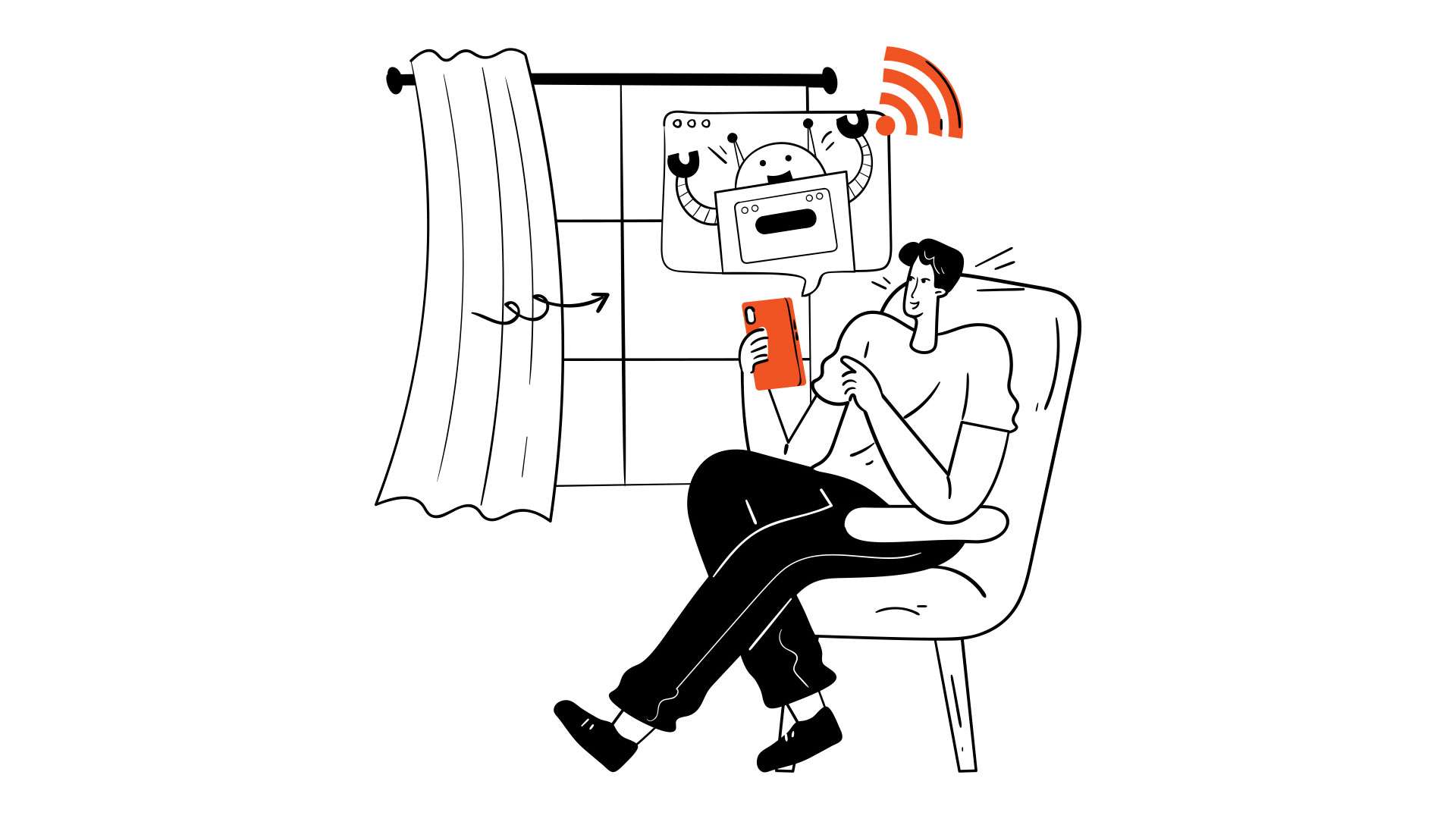
What Is Shadow AI and Why It’s Already Happening in Your Business
Your team’s already using AI. The question is whether you know which tools, what data they’re putting into them, and under what terms.
Shadow AI is the informal term for AI tools employees use outside of whatever your company has officially sanctioned. It’s not a new concept — shadow IT has existed for as long as consumer software has been cheaper and faster to adopt than enterprise software. But AI tools have spread faster than anything before them, and the data going into them is often more sensitive than anything that went into a personal Dropbox account in 2012.
Why It Happens
AI tools are genuinely useful, freely available, and require no IT approval to start using. An employee who finds ChatGPT useful for drafting client emails isn’t trying to create a security problem. They’re trying to do their job faster. The same goes for the team member using Claude on a personal account to summarize meeting notes, or the salesperson running prospect research through Gemini.
The tools are good. That’s why people use them without waiting for permission.
What the Actual Risk Is
The risk isn’t that your employees are using AI. It’s that you have no visibility into what’s happening. When someone pastes client contact information, internal financial data, or proprietary process documentation into a personal AI account, that data moves through systems governed by consumer terms of service — not enterprise agreements. You haven’t reviewed those terms. You don’t know how that data’s handled, whether it’s retained, or whether it could surface elsewhere.
If your client agreement says their data can’t be shared with third-party systems, a personal ChatGPT account almost certainly qualifies. That’s an exposure most business owners haven’t thought through.
What Data Should Your Employees Never Put Into AI Tools
There’s also the accountability gap. When an employee produces work using an unsanctioned tool, there’s no audit trail. If something goes wrong — a client complaint, a data question, an output that causes a problem — you’re starting from scratch trying to figure out what happened.
The Central Platform Argument
The solution to shadow AI isn’t a policy that says “don’t use AI tools we haven’t approved.” That policy won’t work. The tools are too useful and too accessible.
The solution is giving your team a better option — a central platform with real support, proper data handling, and enough capability that there’s no reason to go looking for something else. Claude Enterprise is what that looks like in practice. Your team gets access to a powerful tool. You get visibility into how it’s being used, controls over what data can flow through it, and contractual protections that consumer accounts don’t offer.
What Is Claude Enterprise and How Is It Different From Regular Claude
When people have a good sanctioned option, shadow AI use drops — not because you told them to stop, but because they don’t need to go elsewhere.
What to Do About It Now
Start by understanding what’s already happening. Ask your team what AI tools they’re using. You’ll get more honest answers than you expect, especially if the conversation is framed as “we want to give you better tools” rather than “we’re auditing your software usage.”
From there, the work is straightforward: pick a central platform, set it up properly, establish a usage policy, and train your team on what’s in bounds and what isn’t. That’s the whole thing.
The Business Owner’s Guide to Claude Governance
The businesses we work with that handle this well aren’t the ones that locked everything down. They’re the ones that moved fast to give their teams a real option, with real support, and real guardrails. Shadow AI shrinks when the official option is actually good.
Listen to the full podcast episode here.