
The Revenue System That Pays for Itself
Most growing businesses have revenue tools. A CRM, a marketing automation platform, maybe an email sequencing tool or two. The dashboards look populated. The tech stack looks like a system. But for a lot of leaders, it doesn’t feel like one.
Revenue still feels unpredictable. Marketing is running one play, sales is running another. Good months are hard to explain and harder to repeat. And despite everything the software promised, growth still depends on the right person having the right conversation at the right time.
That’s not a tools problem. It’s a systems problem. And the difference between the two is where most companies quietly lose money.
What a Revenue System Actually Is
A revenue system isn’t a platform. It’s the architecture behind the platform — the process, the infrastructure, the ownership, and the logic that determines how a lead becomes a customer and how a customer becomes a reference.
The tools sit inside that architecture. They don’t replace it.
When Fast Slow Motion principal account executive Max Bevan talks to leaders about their revenue challenges, the conversation almost always starts the same way. They list the tools they have. They describe what those tools were supposed to fix. And then they describe what’s still broken.
In a recent episode of The Fast Slow Motion Podcast, Max put it plainly: throwing technology at a problem fixes nothing. The tool is a means to an end. The process has to come first.
That’s a harder sell than a software subscription. But it’s the only thing that actually works.
Why Companies Buy the Tool Before They Build the System
It’s easier. That’s the honest answer.
Buying a CRM feels like progress. There’s a kickoff call, a go-live date, a dashboard to show the leadership team. The value proposition is built into the platform’s marketing — turn this on and watch pipeline grow.
What doesn’t come with the subscription is the strategy behind it. The definition of what a qualified lead looks like in your business. The agreed-upon stages in your sales process. The rules around data entry, handoffs, follow-up, and attribution. The shared understanding of what the numbers mean and who’s responsible for moving them.
Without that foundation, the tool doesn’t build a system. It just digitizes the chaos that was already there — and in some cases makes it more visible and harder to ignore.
The Cost of Not Having a System
The costs show up in a few different ways, and most leaders are living with at least two or three of them simultaneously.
Unpredictable Revenue
When there’s no consistent process behind the results, you don’t know why you’re winning. You don’t know why you’re losing. You can’t identify what to do more of next month because you don’t have reliable data on what worked this month. The wins feel like luck and the losses feel like surprises.
CRM Data You Can’t Trust
When adoption is inconsistent — when some reps log everything and others log nothing — the data coming out of the platform is unreliable. Leadership ends up making decisions based on incomplete information, pulling numbers from spreadsheets and finance systems, and filling the rest in with instinct. That’s not a data-driven business. That’s a business with a CRM it doesn’t fully trust.
A Sales Team That Works Around the System
When the CRM feels like a reporting tool rather than an enablement tool, reps find workarounds. They track deals in their inbox. They keep their pipeline in a notebook. They submit updates at the end of the month to satisfy a manager rather than to manage their own book of business. The system doesn’t work for them, so they don’t work in it.
Growth That Stalls When It Should Scale
Inconsistent process can sustain a business through a good market. Tailwinds cover a lot of operational gaps. But at some point, the volume of leads, deals, and customers outpaces what a team can manage through heroic individual effort. Without a system to absorb that volume, growth hits a ceiling — or worse, it accelerates the problems that were always there.
What It Looks Like When the System Is Working
A functioning revenue system isn’t complicated to describe. It’s just hard to build without intention.
Marketing knows what a qualified lead looks like and hands it to sales with the right context. Sales knows exactly what to do with it and when. The CRM reflects what’s actually happening in the pipeline, not a best-guess version of it. Leadership can look at the data on any given morning and understand what’s working, what needs attention, and what to adjust. Deals close more consistently because the process behind them is consistent.
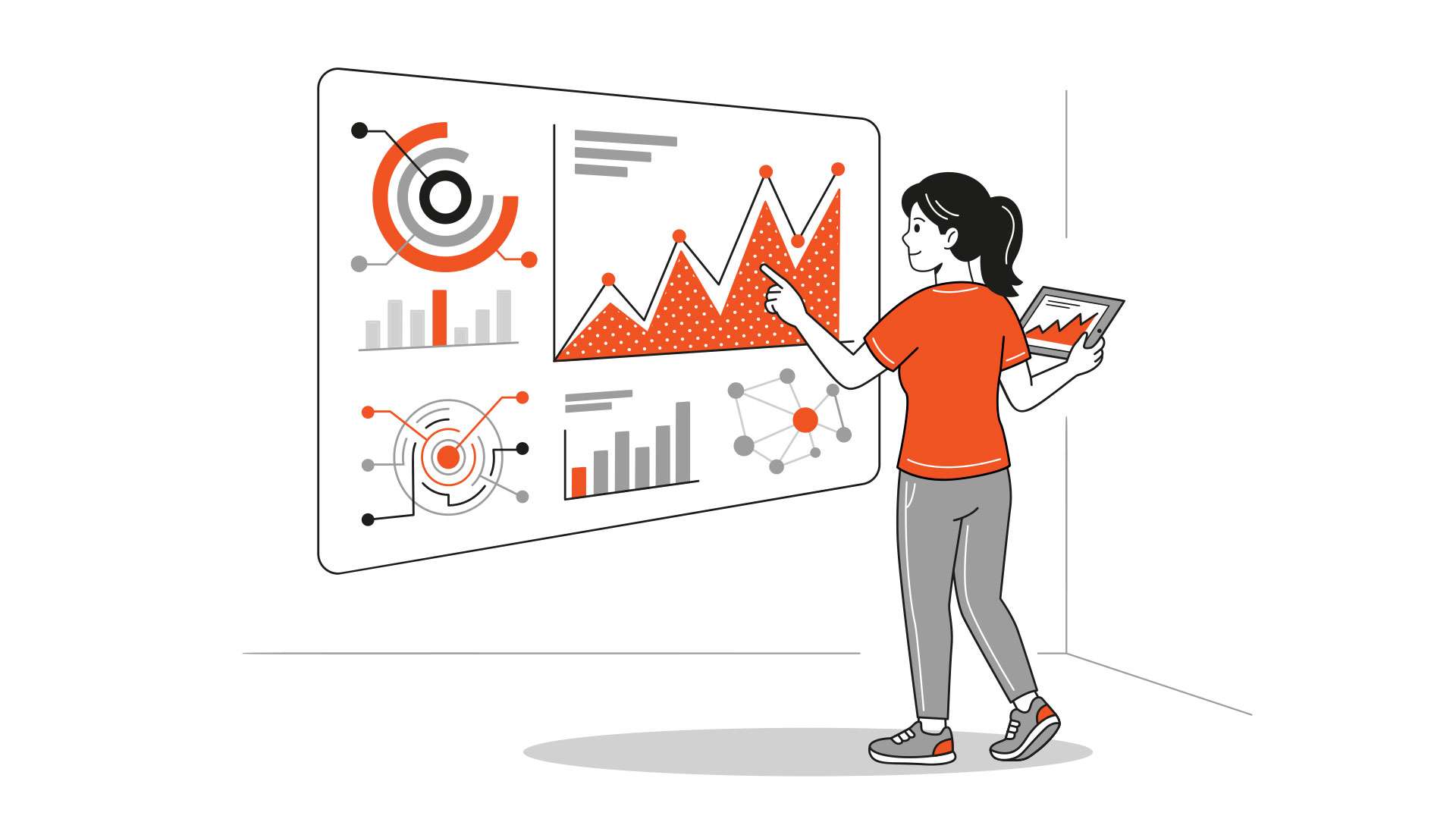
Max describes it as a cockpit. You sit down, you look at the instruments, and you understand what’s happening in the business. You make small adjustments — dial in a campaign, increase outbound activity, address a drop in deal velocity — instead of scrambling to understand why revenue came in short after the quarter is over.
That visibility only exists when the data is trustworthy. The data is only trustworthy when the process is consistent. And the process is only consistent when someone has taken the time to build it deliberately.
Where to Start
For leaders who recognize the gap between their tech stack and their revenue system, the starting point isn’t another tool. It’s a clear-eyed look at where the data lives today and what story it’s able to tell.
Map the customer journey from the first point of contact all the way through close, service, and retention. At each stage, ask: what data should exist here, where does it actually live, and is it consistent enough to act on? The gaps in that exercise aren’t software problems. They’re process problems. And once you know where they are, you can start building the infrastructure to close them — and then choose the tools that support that infrastructure rather than the other way around.
The revenue system that pays for itself isn’t the one with the most features. It’s the one that runs the same way every time, gives leadership a clear view of what’s happening, and makes it possible to grow without depending on the same three people to hold everything together.
Listen to the full podcast episode here.
Related Resources
- Your CRM Is Expensive and Your Revenue Is Still Unpredictable — Here’s What’s Missing
- The Difference Between a Sales Process and a Revenue System
- How to Define Success Before You Buy the Software
- Why Your Best Sales Months Are Hard to Repeat
- How to Stop Losing Revenue Between Marketing, Sales, and Service